
There are rallies… and then there is Safari Rally Kenya 2026.
For fans, it is never just about the cars.
It is about the journey, the atmosphere, the unpredictability — and the feeling that, for a few days, Kenya becomes the center of the motorsport world.
But this year felt… different.
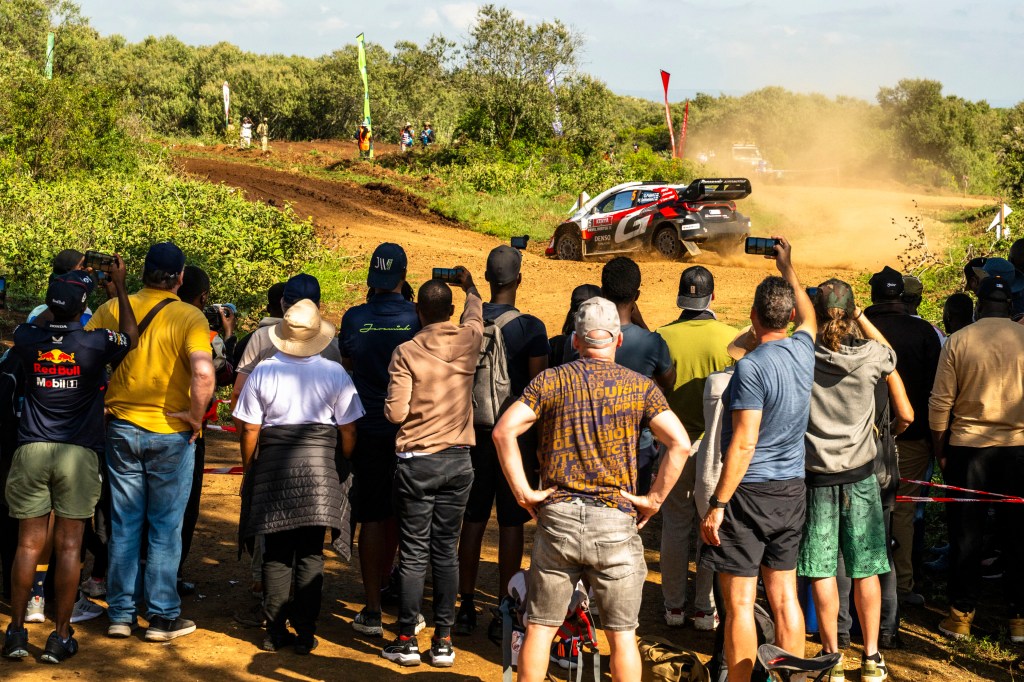
The Missing Nairobi Build-Up
In previous editions, the rally began in Nairobi — a city awakening to the sound of engines, with the iconic Kasarani Super Special Stage setting the tone.
That build-up mattered.
It created anticipation.
It pulled fans into the story early.
It turned the journey to Naivasha into a pilgrimage.
In 2026, with all stages concentrated in Naivasha and the removal of Kasarani, that early spark was missing.
The city felt quieter.
The billboards less visible.
The buzz more digital than physical — with online hype only truly picking up in the final week.
And yet, despite it all, Safari still found a way to come alive.
When the Rains Came, Safari Returned
If there is one thing that defines Safari Rally, it is the weather.
And this year, the rains did not disappoint.
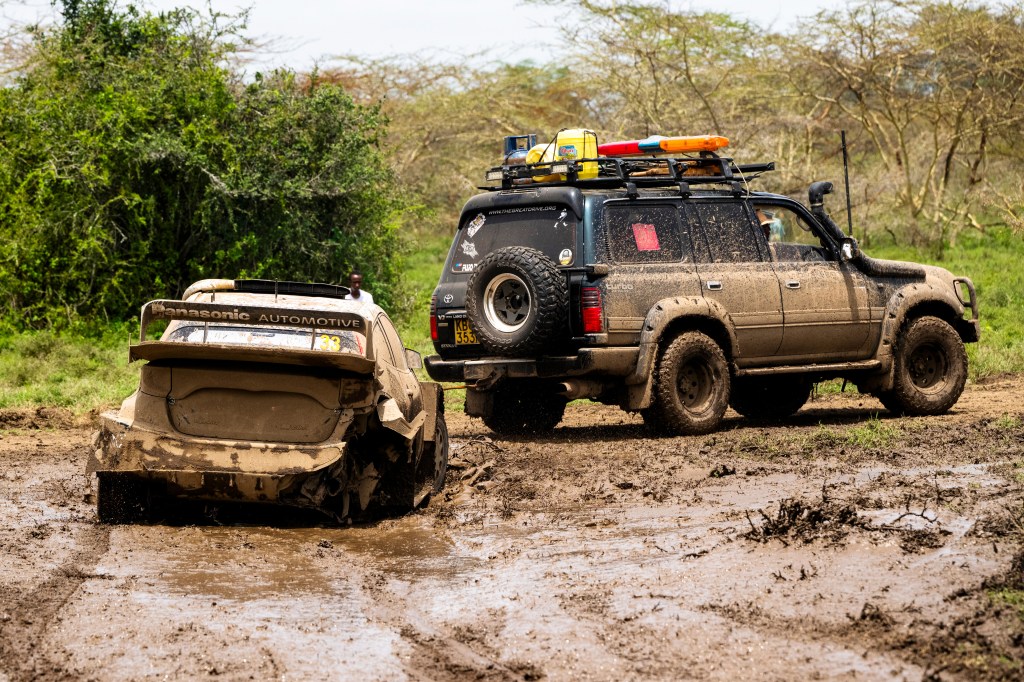
They came with force — turning dust into mud, fesh fesh into porridge, and stages into survival tests.
Cars slid helplessly.
Water splashed across windscreens.
Drivers second-guessed tyre choices.
And fans?
They loved every second of it.
Because this is what Safari Rally means to Kenya — a return to its roots, a nostalgic reminder of the days when rallying was raw, unpredictable, and unforgiving.
The Rally That Broke Champions
The 2026 edition did not just challenge drivers — it broke them.
Top names in the World Rally Championship fell one by one:
Sébastien
OgierElfyn
EvansOliver
Solberg
Thierry Neuville
Mechanical failures, weather, and terrain combined into one brutal reality:
Safari does not care who you are.
And that is exactly why it remains one of the most respected rallies in the world.
Katsuta’s Moment: When Persistence Pays
Out of the chaos emerged a story years in the making.
Takamoto Katsuta.
A driver who has had a complicated relationship with Safari — moments of brilliance, moments of heartbreak.
Last year, he came close… only to lose it all.
This year, he returned stronger.
And this time, he finished the job.
His first-ever WRC victory was not just a win — it was a statement.
A reward for persistence.
A moment that felt bigger than the result itself.
Naivasha: Where the Rally Lives
If Nairobi felt quieter, Naivasha was anything but.
The town came alive.
Hotels filled up.
Businesses thrived.
Fans flooded the stages.
The roads to Hell’s Gate?
As chaotic as ever.
Traffic stretched for hours.
Some fans didn’t even make it to the final stage — yet they stayed, laughed, and celebrated.
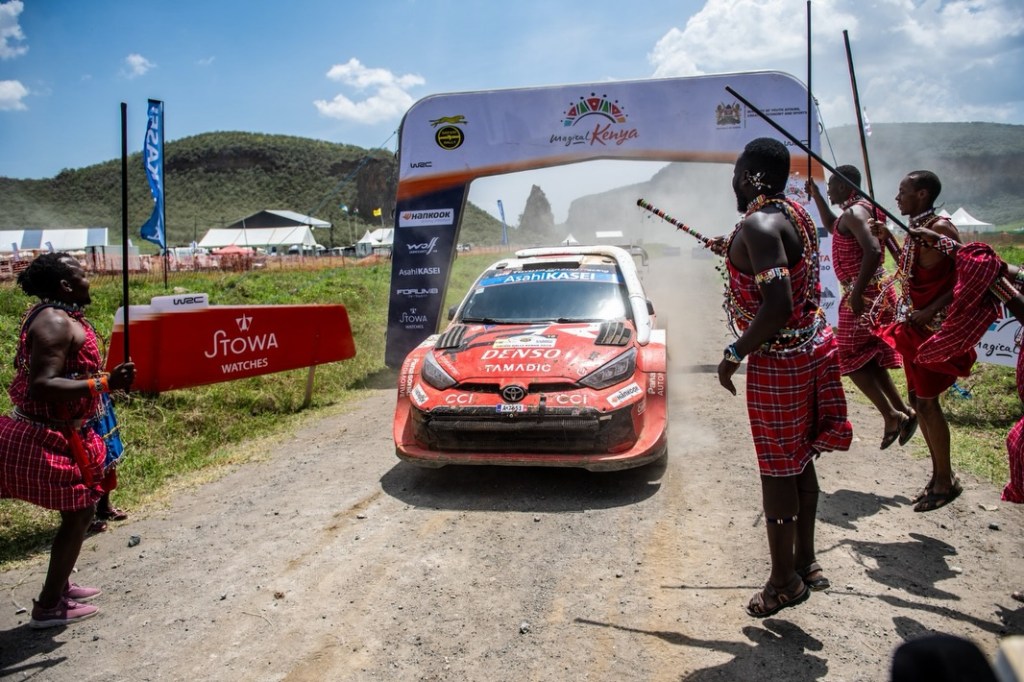
Because for many, Safari Rally is not about who wins.
It’s about the experience.
One fan summed it up best — when asked who won the rally, they didn’t know.
And they didn’t care.
They were there for the vibe.
The people.
The moment.
That is the magic of Safari Rally.
Kenyan Pride on the Global Stage
Beyond the spectacle, there was pride.
Seeing local drivers like Karan Patel and Yash Virani competing against the world’s best was a reminder of how far Kenyan motorsport has come.
Safari Rally is not just an event.
It is a platform — one that continues to raise the level of rallying across the region.
The Bigger Question: What Next for Safari?
With the current contract cycle coming to an end, a question lingers:
Was this the last Safari Rally in Kenya?
The answer, hopefully, is no.
The Kenyan government has already indicated a shift toward a public-private partnership model — a move aimed at securing the future of the rally beyond 2026.
And it makes sense.
Safari Rally is more than sport:
It drives tourism
It boosts local businesses
It showcases Kenya’s landscapes to the world
From the Rift Valley’s beauty to the raw terrain of Naivasha, this rally is a global advertisement of Kenya’s identity.
It must continue.
From Mud to Tarmac: Rally Croatia Awaits
As the dust settles in Kenya, the championship moves on.
Next stop: Rally Croatia.
From mud, rocks, and chaos…
to precision, speed, and smooth tarmac.
A completely different challenge.
But after Safari, one thing is certain:
The championship has already been shaped.
With Elfyn Evans leading the standings, followed by Oliver Solberg and Takamoto Katsuta, and Toyota Gazoo Racing dominating the manufacturers’ race, the battle is far from over.
The Final Thought
Safari Rally is not perfect.
This year, it lacked some of the build-up, the city buzz, the early energy.
But when it mattered most — on the stages — it delivered.
Because Safari Rally is not defined by marketing or structure.
It is defined by what happens when the lights go green.
And in 2026, it reminded the world of one thing:
There is nothing like rallying in Kenya.
 Rally Fanatics
Leave a comment