
Kenya has long been synonymous with the Safari Rally—once considered one of the most challenging and iconic events in motorsport history. The vibrant rally culture of the 1990s saw the country emerge as a global rallying powerhouse, with thousands lining up along dusty tracks to witness rally cars roaring across rugged terrains. But now, one can’t help but ask: has the Safari Rally spirit dwindled, or is it evolving into something different?
The Golden Era of Rally in Kenya
The 1990s were undeniably the golden years of rallying in Kenya. The Safari Rally wasn’t just a race; it was a cultural event that united Kenyans in their love for motorsport. Drivers like Ian Duncan and Patrick Njiru became household names, while sponsors and local businesses thrived during rally season. The rugged and unpredictable terrains, coupled with the unforgiving weather, earned the Safari Rally the nickname “The World’s Toughest Rally.”
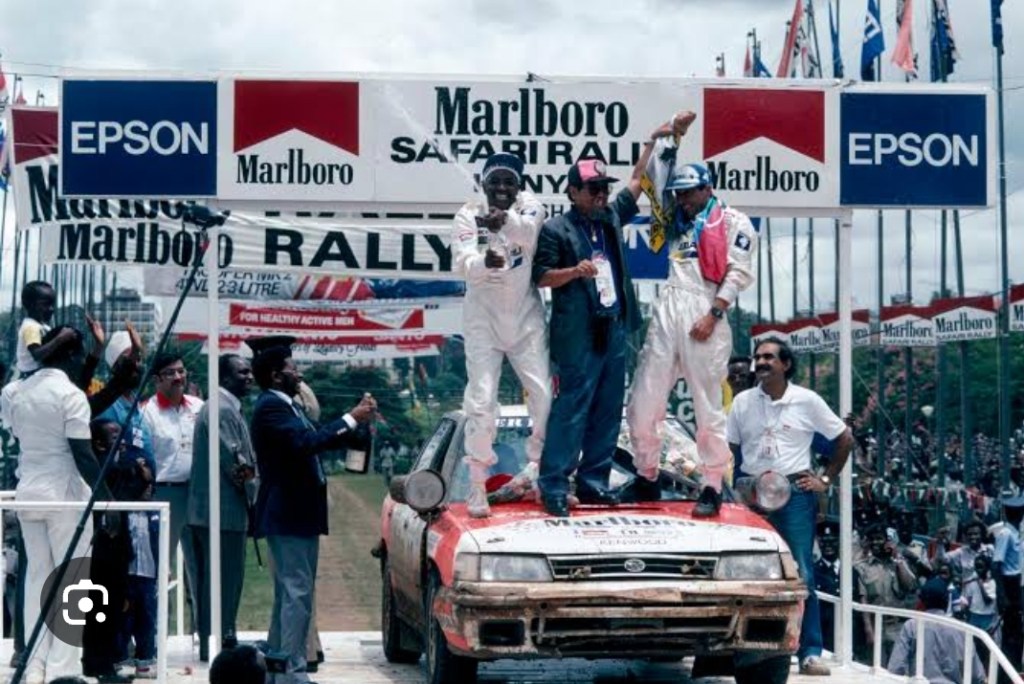
Back then, rallying was a spectacle of grit, determination, and community. Fans camped out for days to secure the best vantage points, cheering on both local heroes and international legends. The rally tracks became meeting grounds, fostering a deep-rooted passion for motorsport across all generations.
What Changed?
Despite its glory days, the Safari Rally faced a decline in the early 2000s, marked by its removal from the World Rally Championship (WRC) calendar in 2002. Several factors contributed to this:
- Decline in Funding and Sponsorships
Corporate interest in rallying waned over the years, leading to decreased financial support for both local drivers and organizers. The lack of investment made it difficult to maintain the high standards expected by the WRC. - Shifts in Motorsport Dynamics
The rise of Formula 1 and other global motorsport events overshadowed rallying in popularity, particularly among younger audiences. - Government and Policy Gaps
Kenya Motorsports Federation (KMSF) struggled with consistent policies and adequate support to nurture new talent and sustain the rallying spirit. - Generational Disconnect
As the years went by, fewer young Kenyans became actively involved in rallying, either as fans or competitors. This generational gap contributed to a diminishing rally culture.
The Revival of Safari Rally
In 2021, Kenya made a triumphant return to the WRC calendar, reigniting hope for the rallying community. The event’s return brought with it international acclaim, showcasing Kenya’s stunning landscapes and reaffirming the country’s rich motorsport heritage.
The 2024 Safari Rally was no exception, offering thrilling moments like Adrien Fourmaux’s daring jumps, Ott Tänak’s tactical brilliance, and Kalle Rovanperä’s masterclass in consistency. Yet, despite these highlights, the question lingers: is the revival of Safari Rally enough to reignite the passion among Kenyans?
Is the Spirit Truly Dead?
The rally spirit in Kenya isn’t dead—it’s just different. While the enthusiasm of the 1990s may not be as evident, there are pockets of hope:
- Rising Stars
Kenyan drivers like Karan Patel are making waves in the African rally circuit, proving that talent and passion still exist locally. - Community Events
Grassroots rally events are slowly gaining traction, offering an entry point for new fans and drivers. - Increased Exposure
With the WRC back in Kenya, younger generations have access to world-class rallying, potentially inspiring a new wave of motorsport enthusiasts.
What Needs to Be Done?
To truly revive the Safari Rally spirit, key steps must be taken:
Invest in Young Talent: Create training programs and offer sponsorship opportunities for upcoming drivers.
Promote Local Events: Highlight regional rallies to rekindle interest at a community level.
Enhance Accessibility: Rallying should be made affordable and accessible for fans and competitors alike.
Leverage Media: Use social media and digital platforms to engage younger audiences with rallying content.
Conclusion
The Safari Rally spirit in Kenya may have dimmed over the years, but it hasn’t been extinguished. With intentional efforts from motorsport stakeholders, government support, and renewed interest among younger generations, Kenya can once again reclaim its position as a rallying hub.
The question remains: will the next decade see the Safari Rally rise to its former glory, or will it remain a shadow of its golden past? The answer lies in how the rallying community and stakeholders choose to act today.
 Rally Fanatics
Leave a comment